Planning & Feasibility Stage Pathways Forward Recovery is not yet open and is not currently accepting residents.

Our Vision

A stable place to keep moving forward.

Pathways Forward Recovery is being developed as a regional initiative exploring potential alcohol- and drug-free recovery residences in Santa Clara, San Benito, Santa Cruz, and Monterey Counties. The concept is centered on safe housing, clear expectations, peer accountability, personal responsibility, and connection to community-based recovery resources.

At this stage, we are listening first. We want to understand where the housing gaps are, who is most difficult to place, what referral partners need from a recovery residence, and what location and operating model would be genuinely useful within each county.

Important: Pathways Forward Recovery is not currently operating a residence, providing treatment, or accepting applications for housing.
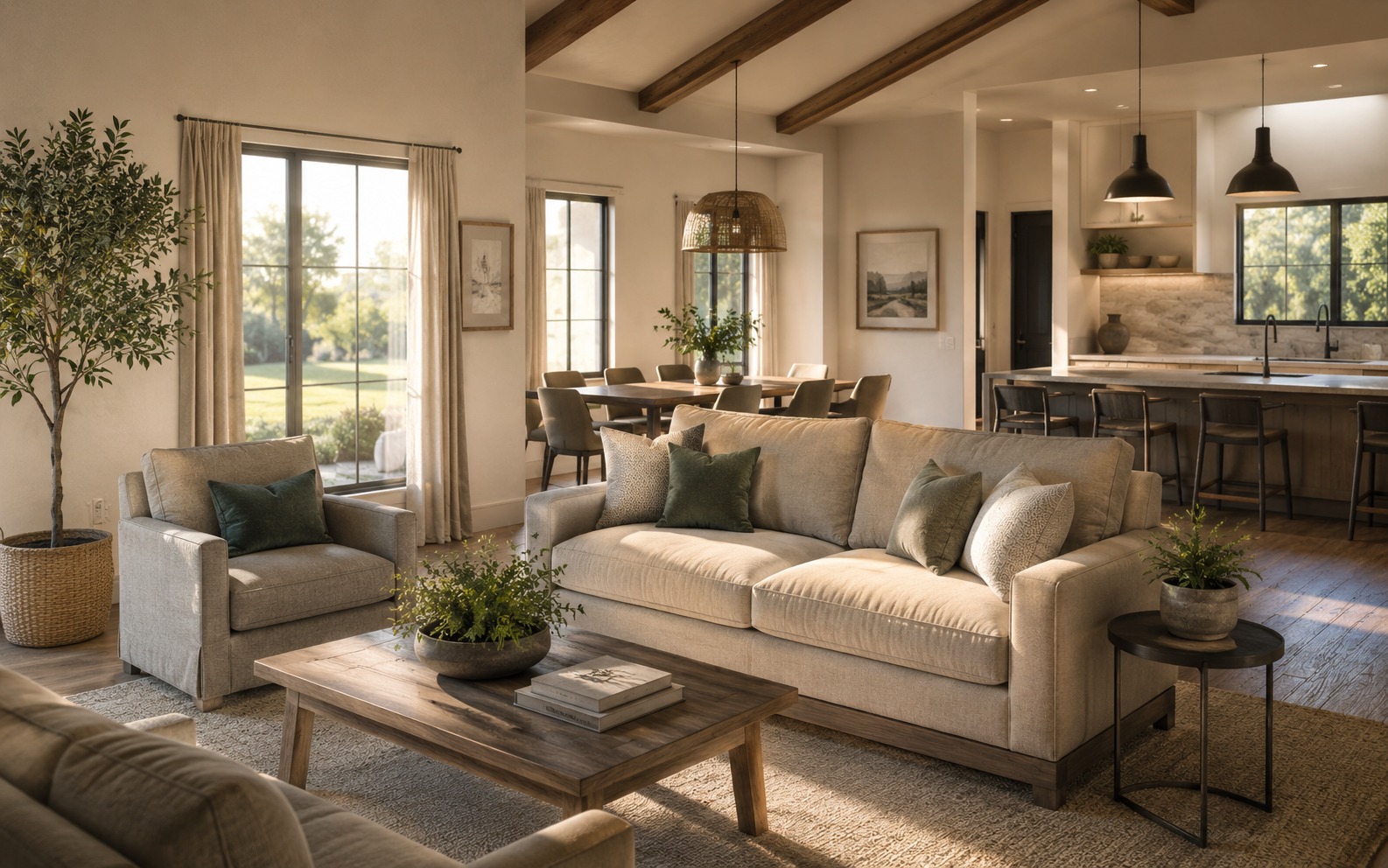
Warm, welcoming common area shown as conceptual planning-stage imagery

County-by-County Feasibility

Four counties. Four local feasibility tracks.

Rather than assuming that one location can meet every county's needs, Pathways Forward is evaluating each county individually. Housing costs, referral patterns, transportation, resident needs, public funding, provider rates, and local requirements can vary substantially from one community to another.

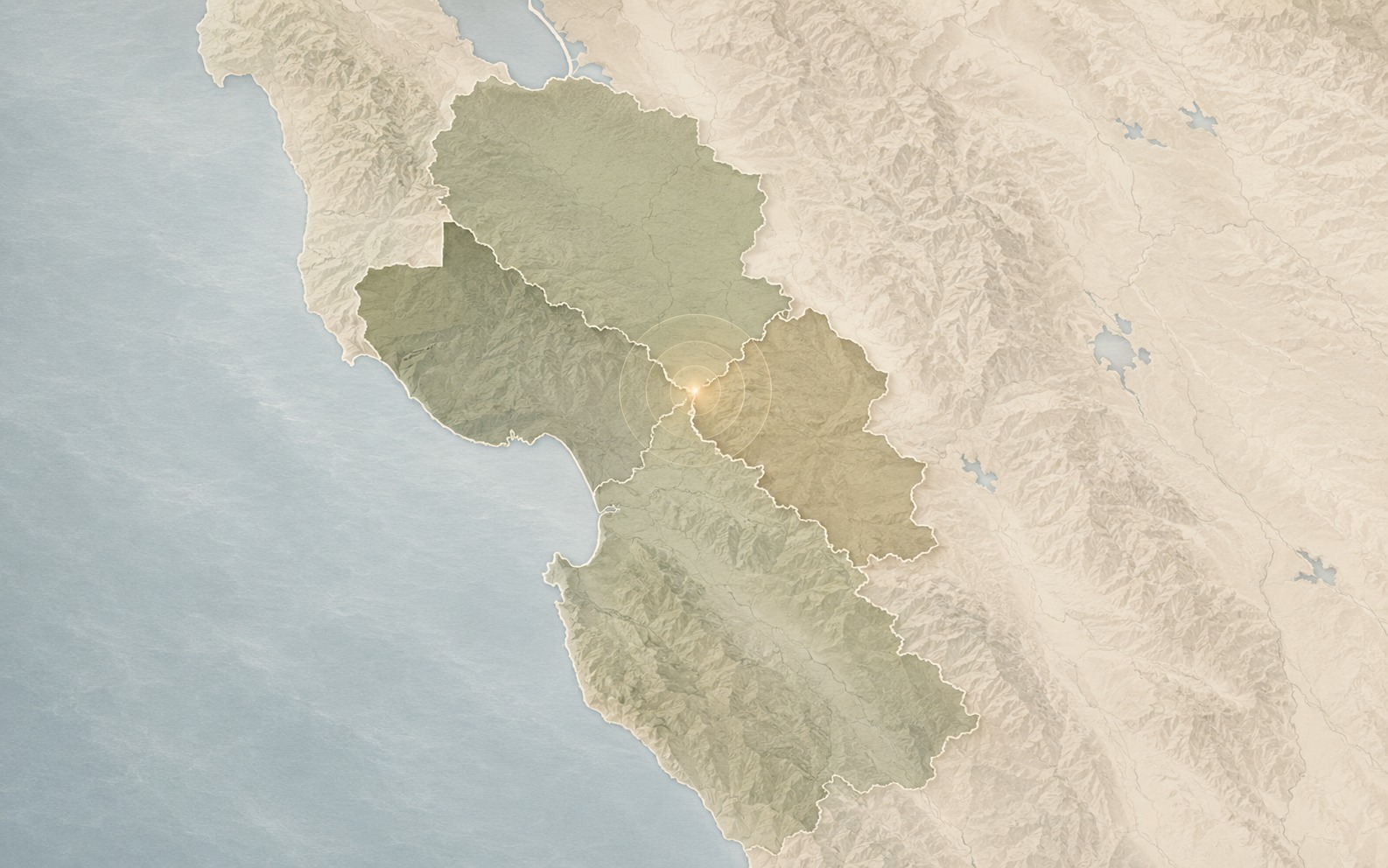
Our current working locations are Gilroy for Santa Clara County, Hollister for San Benito County, Watsonville for Santa Cruz County, and Salinas for Monterey County. These are areas under evaluation — not announced facility locations.

Why this matters: The first Pathways Forward residence should be located where there is a demonstrated recovery-housing need and a realistic path to sustainable referrals, affordability, community access, and responsible operations.
Illustrated regional map representing the four county feasibility areas being evaluated by Pathways Forward Recovery

Concept Under Evaluation

A recovery residence — not a clinical treatment program.

The operating model is still being developed, but the current concept is a structured shared-living environment for adults committed to maintaining sobriety. Clinical treatment, detoxification, or counseling would not be provided on-site as part of the housing operation.

  • Stable shared housing
    A clean, respectful residential environment with practical living standards.
  • Structure & accountability
    Clear house expectations, routines, responsibilities, and recovery-supportive conduct.
  • Peer community
    A home environment where residents are surrounded by others working toward sustained recovery.
  • Connected, not isolated
    Residents would continue using outside treatment, medical, employment, education, probation/reentry, or recovery resources as appropriate.

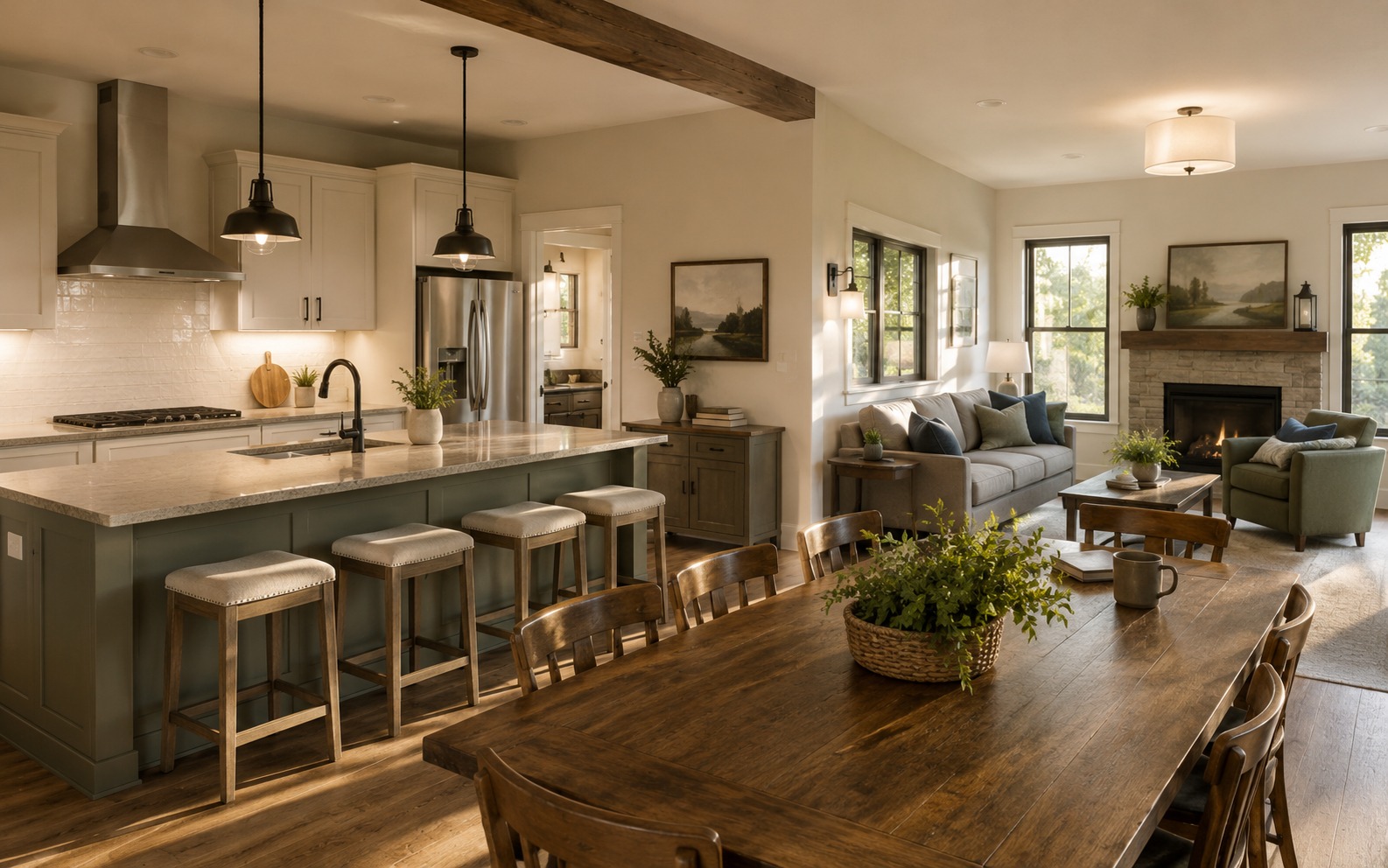
Conceptual imagery shown. Pathways Forward Recovery is currently in the feasibility and planning stage, and a residence has not yet been selected.

Open-plan kitchen and common area shown as conceptual residence imagery

Feasibility Work Underway

What we are evaluating now

Before making a launch decision, we are working through the questions that determine whether the residence can be both useful to the community and responsibly operated.

Community Need

How frequently are local providers unable to place recovery-ready adults in appropriate housing?

Resident Profile

Which populations and stages of recovery could be served safely and effectively in a peer-based residence?

Referral Pathways

How would treatment providers, hospitals, counties, reentry programs, and other partners refer residents?

Funding & Affordability

What private-pay, public, contract, grant, or other funding pathways may support sustainable recovery housing?

Property & Capacity

What location, occupancy, room configuration, transportation access, and physical features make sense?

Compliance & Operations

Local use requirements, safety, insurance, staffing, house policies, screening, and operating standards.

Professional & Community Outreach

We want to hear from people doing the work.

If your organization works with adults in recovery, your perspective can help shape whether — and how — Pathways Forward should move ahead.

Treatment & outpatient providers
Hospitals & discharge planners
County behavioral health teams
Probation & reentry programs
Recovery & community organizations
Case managers & social-service professionals

Three questions we're asking

  1. Do you see an unmet need for quality sober/recovery housing for adults in Santa Clara, San Benito, Santa Cruz, or Monterey County?
  2. Which clients are currently the hardest to place, and why?
  3. What would you need to see from a residence before feeling comfortable referring someone there?
Professionals collaborating around a table during a planning meeting

Representative planning-stage imagery shown to reflect collaboration with referral partners, counties, providers, and community organizations.

Development Roadmap

Building carefully, in the right order.

01
Feasibility & Needs AssessmentCurrent stage
02
Property & Operating ModelPending feasibility findings
03
Compliance, Partnerships & FundingDevelop before opening
04
Launch ReadinessOnly after requirements are satisfied

Connect With Us

Help us understand the need.

If you work in recovery, behavioral health, reentry, healthcare, social services, probation, or a related field in Santa Clara, San Benito, Santa Cruz, or Monterey County, we would value a brief conversation about the recovery-housing needs you are seeing.